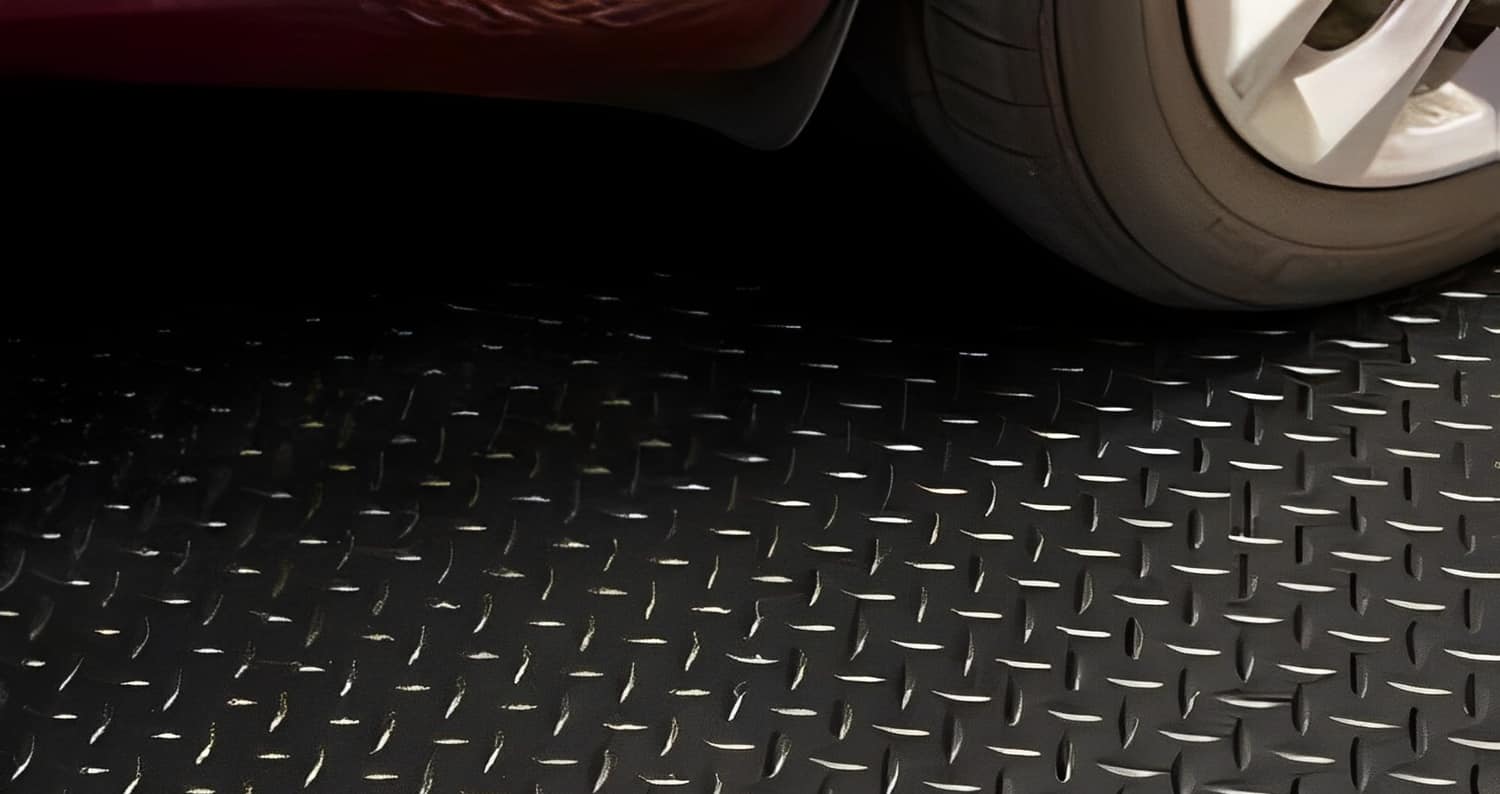
Rubber Flooring Installation Guide — what this guide covers
This guide covers rubber flooring installation, following the company website article title, with installation questions to raise before ordering. It is written for a buyer who already knows the setting and wants to ask the right questions before ordering, rather than for a reader looking for a specification table, because no specification for any line on this site was verified for publication.
Every specific figure a buyer needs, from size to quantity to timing, belongs in an inquiry, where the supplier can confirm it for the exact item described. The guide below therefore works through the setting, the choices, and the questions, and it ends where an inquiry begins.
Rubber Flooring Installation Guide — the setting, described first
Installation starts with the surface underneath. A buyer should describe the floor that the rubber will be laid on, whether it is level, clean, and dry, and whether it has edges, slopes, or drains that need attention. Those facts decide the preparation questions, and they are facts the buyer can describe from the site without any technical figure.
The area itself is the second fact. Its size, its shape, and whether it includes corners, doorways, or fixed equipment all change the laying question, because a rectangular hall and an irregular workshop floor are different jobs. A rough size and a description of the shape, even approximate, give the supplier a basis for confirming quantity and form.
Rubber Flooring Installation Guide — choices a buyer actually faces
The first installation question is about preparation. What must be done to the existing floor before laying, and who does it? A buyer who asks this before ordering can plan the work and the timing, while a buyer who asks after delivery may find the floor cannot be laid when expected.
The second installation question is about joining and edging. How are pieces joined, how are edges finished, and what happens at doorways and drains? A floor is only as good as its joins and edges, and those answers should be part of the order conversation, not discovered during laying.
Rubber Flooring Installation Guide — questions to put in an inquiry
The inquiry should ask the supplier about preparation, joining, edging, and cleaning for the exact area described, and to confirm the quantity, the size, and the timing. It should also ask about any certificate needed for the use, naming the use, because a certificate for one item does not automatically cover another.
Cleaning after installation deserves its own question. How is the laid floor cleaned, what should be avoided, and how often should it be cleaned? A floor that is easy to lay but hard to keep clean will disappoint over time, so the cleaning answer should be obtained before ordering, alongside the installation answer. A buyer who records the preparation, joining, edging, and cleaning answers together, in one place, will have a complete installation record to check against the delivered floor, and any gap in that record can be raised with the supplier before the floor is laid rather than after.
Rubber Flooring Installation Guide — confirmations before ordering
Please confirm the minimum order quantity with the supplier before placing an order. Please confirm the lead time with the supplier before placing an order. Those two confirmations should be in writing and tied to the exact item and setting described, because neither figure is published on this site.
Certificates available upon request. A buyer who needs a certificate should name the use and ask which certificate, if any, can be provided for the item described, and should keep the supplier's written answer with the order record.
Send an inquiry about rubber sheets and mats
Describe the sheet or mat you need, the setting it will be used in, and the questions you need answered before ordering.
Send an inquiry Contact detailsCertificates available upon request. Please confirm the specifications you need with the supplier before placing an order.